Foldable phones have gone from novelty to a real product category in a few short years, and the pressure now is less about proving the form factor works and more about refining it. That’s the space the OnePlus Open 2 is stepping into. As the follow-up to OnePlus’s well-received first-generation foldable, it’s generating attention for one thing in particular: how thin it might end up being. Below, we cover what’s actually been reported so far, how it fits into the broader foldable market against Samsung and Google, and what to weigh before buying any foldable phone — not just this one.
What to Expect from the OnePlus Open 2
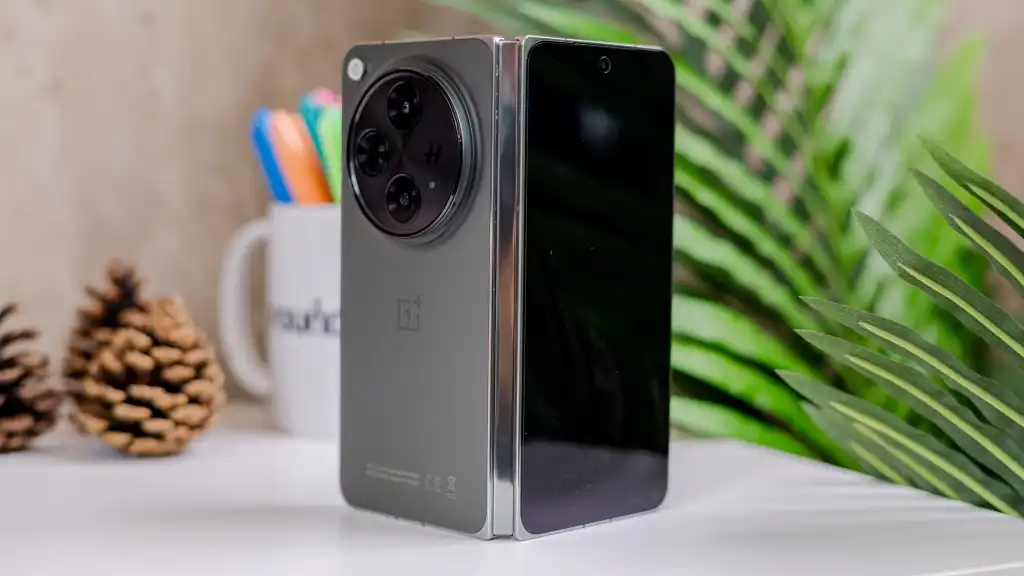
Early leaks point to the OnePlus Open 2 being noticeably thinner than its predecessor, with some reports comparing its slimness to the iPad Pro M4 — a device that’s become the reference point for “thin” in the tablet world. None of this is confirmed by OnePlus directly, so treat specific dimensions as speculative until an official announcement lands. What is consistent across the reporting is the general direction: OnePlus is doubling down on slimness as its signature differentiator for this generation, rather than chasing the biggest battery or the most cameras.
Features generating the most attention so far include:
- Ultra-slim design: A thickness target that, if achieved, would put it at or near the front of the foldable pack.
- Updated folding display: Expected improvements to the folding OLED panel, building on what was already one of the better foldable screens on the first-generation Open.
- Durability improvements: Foldables as a category have faced ongoing scrutiny over hinge longevity and screen creasing, and OnePlus is reportedly working to address both.
- Flagship-tier performance: A current-generation processor and ample RAM, in line with what you’d expect from any 2026 flagship.
- Continued camera partnership: The original OnePlus Open shipped with Hasselblad-tuned cameras, and that partnership is expected to carry forward into the sequel.
Why Slimness Actually Matters on a Foldable
On a regular slab phone, shaving a millimeter of thickness is a nice-to-have. On a foldable, it’s a bigger deal, because you’re effectively carrying two phone-thickness layers folded together. A device that’s already thin unfolded stays reasonably pocketable when folded shut — one of the biggest early complaints about first-generation foldables was that they turned into an awkward brick in your pocket. Getting the folded thickness down closer to that of a normal phone is what makes a foldable feel like a phone you’d actually carry every day instead of a gadget you keep in a bag.
How It Stacks Up Against Samsung and Google
The book-style foldable segment really comes down to three serious players at this point, and each has staked out a different strength:
- Samsung Galaxy Z Fold series: Samsung has the most mature software for the format, refined over several generations — multi-window multitasking, app continuity between the cover screen and inner display, and optional S Pen support. Samsung has also extended its software update commitment to several years of OS upgrades on recent flagship foldables, which matters if you plan to hold onto the phone for a long time. The trade-off has historically been a taller, narrower inner-screen aspect ratio and a thicker folded profile than some competitors.
- Google Pixel Fold lineup: Google’s foldables lean into camera quality and AI-driven software features — things like on-device photo editing tools and Gemini integration — layered on clean, fast-updating Android. The outer screen tends to be wider and more usable one-handed than Samsung’s, closer to a normal phone’s proportions. Historically, Pixel foldables have carried a premium price and a bit more heft than their rivals.
- OnePlus Open (and the Open 2): OnePlus’s angle from day one has been hardware refinement — a slim, well-balanced form factor and fast charging — paired with the Hasselblad camera partnership it also uses on its standard flagships. Software polish for the large inner screen has generally trailed Samsung’s, since Samsung has simply had more foldable generations to iterate on multitasking features.
If the Open 2 delivers on the slimness rumors, it would give OnePlus a genuine hardware edge in a market where Samsung otherwise wins on software maturity and Google wins on camera and AI features.
What Buying a Foldable Actually Involves
Regardless of which brand you’re considering, foldables come with trade-offs that a regular phone doesn’t. Worth thinking through before you commit to any of them:
- Price premium: Foldables consistently cost significantly more than flagship slab phones from the same brand, and that gap hasn’t closed much as the category has matured.
- The crease: Every current book-style foldable has a visible and, to varying degrees, feelable crease down the center of the inner display. It’s less noticeable in daily use than in a lab close-up, but it hasn’t been engineered away entirely on any device yet.
- App optimization: More apps are built to take advantage of the larger inner screen than a few years ago, but plenty of Android apps still just stretch a phone layout across the extra space rather than offering a real tablet-style layout.
- Hinge durability and warranty: The hinge is the part most likely to wear out first. Check the manufacturer’s warranty terms specifically around hinge and screen coverage before buying.
- Water and dust resistance: Foldables have historically lagged behind flat flagships on ingress protection ratings because of the hinge mechanism, though this has improved generation over generation. Don’t assume a foldable handles water exposure as well as a standard IP68 phone unless the spec sheet says so explicitly.
- Resale value: Foldables tend to depreciate faster than mainstream flagships, partly because each generation brings meaningful hardware changes and partly because the used market for them is thinner.
What We’re Hoping to See
Beyond the thinness headline, a few things would make the OnePlus Open 2 a genuinely strong upgrade rather than just a slimmer version of the same phone:
- Battery life that doesn’t suffer for the slimmer body: Thinner phones generally mean less room for battery, so how OnePlus balances that trade-off will matter a lot in real-world use.
- Multitasking software that closes the gap with Samsung: Hardware alone doesn’t make a foldable feel worth the premium — the software has to make the extra screen real estate genuinely useful.
- A clear, sustained update commitment: Long-term software support has become a bigger purchasing factor across the whole phone market, foldables included.
Frequently Asked Questions
Has OnePlus officially confirmed the Open 2?
As of this writing, the details circulating are based on leaks and early reporting rather than an official OnePlus announcement. Treat specific dimensions and specs as unconfirmed until OnePlus makes a formal statement.
Will the OnePlus Open 2 be available in the US?
The original OnePlus Open launched in the US through both carrier and unlocked channels, so a similar rollout for the Open 2 is reasonable to expect, but availability and timing haven’t been confirmed.
Does a thinner design mean worse battery life?
Not necessarily, but it’s a real engineering trade-off. Manufacturers typically compensate with more efficient chips or higher-density batteries, but a thinner chassis does mean less physical room for battery capacity unless other components shrink too.
How does the OnePlus Open 2 compare to the Galaxy Z Fold?
Samsung currently has the edge in foldable-specific software polish and update longevity, built up over several generations. OnePlus’s traditional strength is hardware design, particularly thinness and build, plus its Hasselblad camera tuning. Which matters more depends on whether you prioritize software maturity or hardware feel.
Is now a good time to buy a foldable phone?
If you value the format’s benefits and can absorb the price premium, current-generation foldables are far more refined than the first wave from a few years ago. If you’re on the fence, it’s reasonable to wait for a specific model’s official launch and reviews rather than buying on leaks alone.
Bottom Line
The OnePlus Open 2’s slimness rumors are the headline, but the more useful question for buyers is how it balances that hardware goal against battery life, durability, and software polish — the areas where Samsung and Google have set the bar. Until OnePlus confirms specifics, the safest approach is to watch for the official announcement and independent reviews rather than planning a purchase around leaked dimensions.

The Apps Zone is your go-to resource for discovering the best mobile apps across all categories. We provide expert reviews, tips, and recommendations to help you make the most of your smartphone or tablet. Whether you’re looking for productivity tools, entertainment options, or learning resources, we’ve got you covered!